REVIEW · NASSAU
Nassau: Cultural Walking Tour of Downtown Nassau Attractions
Book on GetYourGuide →Operated by Dilly Dally Bike Tours · Bookable on GetYourGuide
Downtown Nassau tells its story on foot. You’ll follow a friendly English-speaking guide through colorful streets and big landmarks, with Queen’s Staircase and Fort Fincastle setting the tone for what’s ahead.
What I love most is that the tour hands you audio headsets (so you don’t miss the details), and it layers in culture beyond photos, including Educulture Museum and tastings along the way.
The main catch is physical: it’s not for people with mobility impairments, and you’ll be climbing—starting with Elizabeth Avenue and then the stairs at Queen’s Staircase.
In This Review
- Key highlights at a glance
- Downtown Nassau on foot: what this 3-hour culture walk really delivers
- Meeting at Bay St and East St: arriving ready for the walk
- Queen’s Staircase on Elizabeth Avenue: 66 steps with a heavy story
- Water Tower stop: the 126-foot landmark that served the island
- Bennet’s Hill and Fort Fincastle: pirate-era defense with skyline payoff
- Government House exterior photos: Georgian Colonial style and authority
- Graycliff Chocolatier: turning a history walk into a taste break
- National Art Gallery (and what happens on Mondays)
- Educulture Museum: learning Junkanoo in the middle of downtown
- Rum sampling at John Watling’s Distillery and Bahamian bush teas
- Nassau Straw Market and Parliament Square: colonial buildings to today
- Who should book this downtown Nassau walk
- Should you book this Nassau cultural walking tour?
- FAQ
- How long is the Nassau cultural walking tour?
- What does it cost?
- Where does the tour meet?
- If I’m on a cruise, how far is the meeting point from the port?
- What’s included in the price?
- Is food included?
- What are the main stops and attractions?
- Does the tour run in rain?
- Is the National Art Gallery open every day?
- What languages are offered?
- Is hotel pickup provided?
Key highlights at a glance
- Queen’s Staircase: a 66-step limestone climb with a powerful backstory
- Fort Fincastle: late-1700s defense fort + rewarding city views from the top
- Audio headsets: keep the guide’s stories clear on the move
- Art and Junkanoo: National Art Gallery and Educulture Museum explain what Nassau celebrates
- Taste stops: Graycliff Chocolatier, John Watling’s Distillery, and Bahamian bush teas
- Straw Market + Parliament Square: mix shopping, colonial architecture, and present-day life
Downtown Nassau on foot: what this 3-hour culture walk really delivers
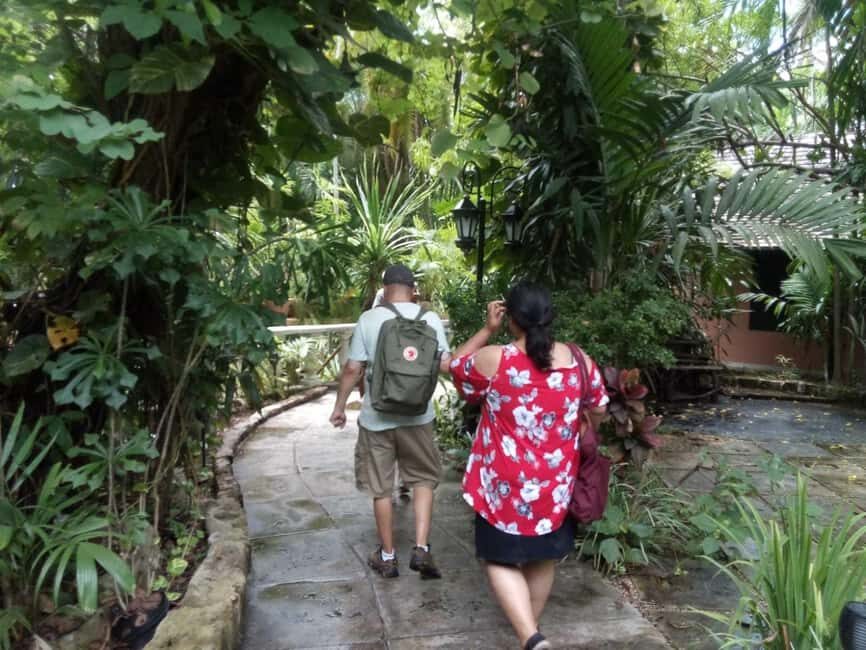
This is the kind of Nassau tour that helps you understand the place, not just check landmarks. You get a guided loop through downtown streets where history shows up in architecture, forts, museums, and even what people make and sell.
At 3 hours and $55 per person, the value comes from packing in real stops plus the basics that make walking tours work: audio headsets, bottled water, and museum entrance fees. You’re not just standing in one spot staring at one monument. You’re getting context, story, and several locations close together.
The guides are often praised for pacing and storytelling. Names that pop up in past bookings include Charles (often singled out for energy and humor), plus George, Stephen, Don, and Ricky/Richie. Expect a lively, conversational guide style that keeps the walk moving without feeling rushed.
One note to set expectations: the route includes elevation and stairs, so comfortable shoes matter more than fancy clothes.
You can also read our reviews of more walking tours in Nassau



Meeting at Bay St and East St: arriving ready for the walk
Your tour departs from the activity provider’s office at the intersection of Bay St. and East St. For cruise passengers, it’s about a 3-minute walk from the port.
If you’re on a cruise, do this simple sequence: exit the security area, head left at the (eastern) exit gates, walk east on Woodes Rodgers Walk until it turns right and becomes East St. The office is on the left after you cross Bay St. and East St.
In plain terms, look for a white building with gray tiles across from the Central Police Station. There’s a sign outside with the provider’s logo.
Before you start, grab your bearings and set your body up for the early climb. The tour is rain or shine unless it’s considered unsafe, so bring a light layer and something for sun protection.
Queen’s Staircase on Elizabeth Avenue: 66 steps with a heavy story
Elizabeth Avenue is where the tour turns from “pretty streets” into something that sticks with you. You’ll climb to Queen’s Staircase for about 15 minutes, with time for photos and the guide’s explanation as you catch your breath.
This is a famous piece of Nassau’s built heritage: a limestone staircase with 66 steps, built in the 18th century. The part that makes it unforgettable is the human story attached to the stone—about 600 enslaved people constructed it, tied to an era when Queen Victoria’s involvement in ending slavery in the Bahamas is part of the narrative.
The key is how you experience it. The steps are visually dramatic, but the meaning is weighty. If you’re the type who likes history told straight (without sugarcoating), this is one of the best moments on the tour.
Practical tip: plan for a real climb. Even though your stop is time-boxed, the walk up to the staircase and the steps themselves are part of the experience.
Water Tower stop: the 126-foot landmark that served the island
After Elizabeth Avenue, you move to a different kind of landmark: infrastructure. Nassau’s historic 126-foot Water Tower gets a short 5-minute stop.
It mattered because it supplied water to New Providence back in the early 20th century. That’s a useful reminder that cities don’t run on romance alone—someone had to figure out systems for everyday survival.
This stop is quick, but it changes the way you look at the downtown area. You start noticing utility and planning in the same breath as architecture and public space.
If you like photos, aim for a moment where you can frame the tower with the surrounding streets. It’s one of those “you might miss it” buildings unless a guide points you toward the right angles.
Bennet’s Hill and Fort Fincastle: pirate-era defense with skyline payoff
Next comes a classic Nassau viewpoint. You’ll head to the top of Bennet’s Hill for about 15 minutes at Fort Fincastle, built in the late 1700s to protect Nassau from pirates.
Even if you’re not a history buff, the appeal is twofold. First, you’re getting a tangible link to Nassau’s defensive past. Second, you’re rewarded with a view that helps you picture where the city sits and how people would have watched the horizon.
This is also a strong “breather” stop. After earlier climbing, Fort Fincastle gives you a chance to pause, look around, and reset your pace for the rest of the afternoon.
Look for the way your guide connects the fort to broader stories—piracy, colonial power, and how Nassau became a place where the coastline mattered.




Government House exterior photos: Georgian Colonial style and authority
From Fort Fincastle, the tour shifts to something more formal: the exterior of Government House.
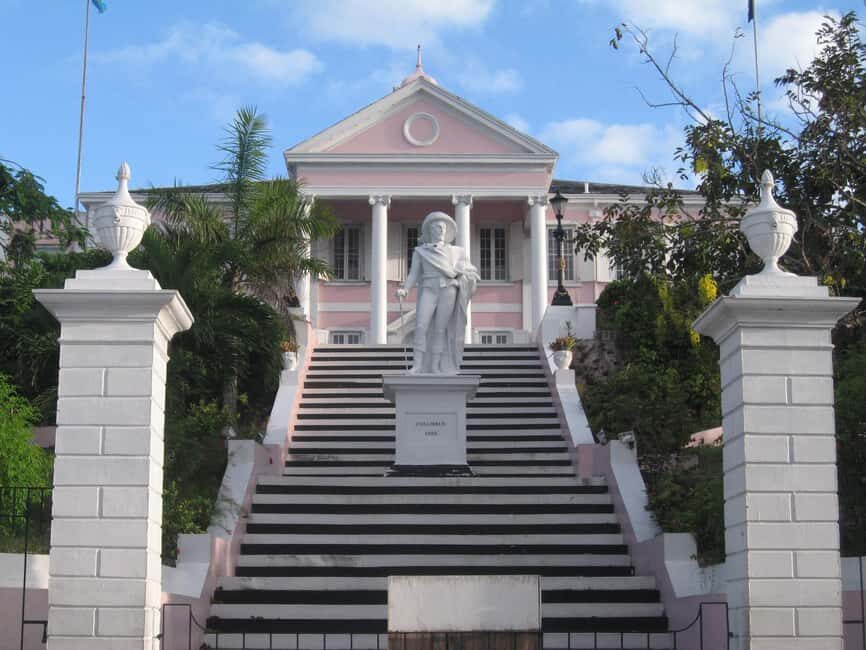
You’ll get a 10-minute stop to take pictures while your guide shares stories about what the building represents. It’s described as a Georgian Colonial-style residence and the home of the Governor-General of the Bahamas.
It’s not a museum visit. This is an outside-looking-in moment. But it’s valuable because the architecture gives you clues about influence and governance, and how ruling institutions signaled power across the islands.
If you’re photographing, stand where you can capture both the building and the street context. The exterior alone is impressive, but it’s the setting that helps you understand why this style took root here.
Graycliff Chocolatier: turning a history walk into a taste break
Now you switch gears to something more fun. The tour includes a stop at Graycliff Chocolatier, where you’ll sample locally made treats.
This is the kind of stop that makes walking tours feel humane. You’re spending hours on foot, so a brief break—plus something sweet—helps the day stay enjoyable.
It also adds a cultural layer. Nassau isn’t only about forts and government buildings. Food and craft show up in local businesses, and taste stops let you connect with daily life in a way that museum text can’t.
Since food and drinks aren’t listed as included, think of it as a sampling opportunity during the tour rather than a full meal replacement. Still, it’s easy to see why this kind of stop gets enthusiastic reactions.
National Art Gallery (and what happens on Mondays)
Art is part of the tour’s backbone. You’ll visit the National Art Gallery of The Bahamas, then head to Educulture Museum for the story of Junkanoo.
One thing to watch: the National Art Gallery is closed on Mondays and national holidays. On those days, it’s replaced with another cultural point of interest. So if your timing lands on a Monday, don’t assume you’ll miss art entirely—just expect a different cultural stop.
Here’s why this matters for your experience: museums can feel like a pause button on a walking tour, but on this route they act like a decoder ring. They explain what Nassau values, what it remembers, and what it performs.
Educulture Museum: learning Junkanoo in the middle of downtown
Educulture Museum is where the tour gets especially lively. You’ll learn about the history of Junkanoo, a Bahamian cultural tradition connected with street celebrations.
The setting matters: doing this after you’ve seen forts and government space makes the cultural focus feel even more real. You go from power and defense to public celebration and identity.
Time-wise, you’re not stuck in one room for hours. The tour keeps moving, but the museum stop is substantial enough to give you a framework for what you’ll see (and hear) around Nassau later.
If you’re the type who likes culture that’s practiced, not just displayed, this is one of the most satisfying stops.
Rum sampling at John Watling’s Distillery and Bahamian bush teas
Next up is a pair of “smell and taste” experiences that keep the tour grounded in local practice.
At John Watling’s Distillery, you can sample rum and tour the facility. This works well because rum in the Caribbean is never just a drink—it’s tied to trade routes, labor history, and island identity. Having a guide explain the context makes the sampling feel meaningful.
Then you’ll stop at Tasty Teas, where you learn about Bahamian bush teas and traditional medicines. This is a very different kind of knowledge than what you get at a fort or museum.
Together, these stops create a satisfying contrast: one tied to a widely known spirit, the other tied to everyday wellness and local plant knowledge.
Practical note: because food and drinks aren’t listed as included, treat tastings as part of the itinerary experience rather than an all-you-can-eat plan. If you want to buy more, you’ll have chances later, especially at the Straw Market.
Nassau Straw Market and Parliament Square: colonial buildings to today
The last stretch is where downtown starts to feel like a real place you could wander on your own afterward.
You’ll include a brief history stop at the Nassau Straw Market, followed by a shopping break. This is a good place to pick up small souvenirs that feel connected to craft and local commerce, not mass-produced airport goods.
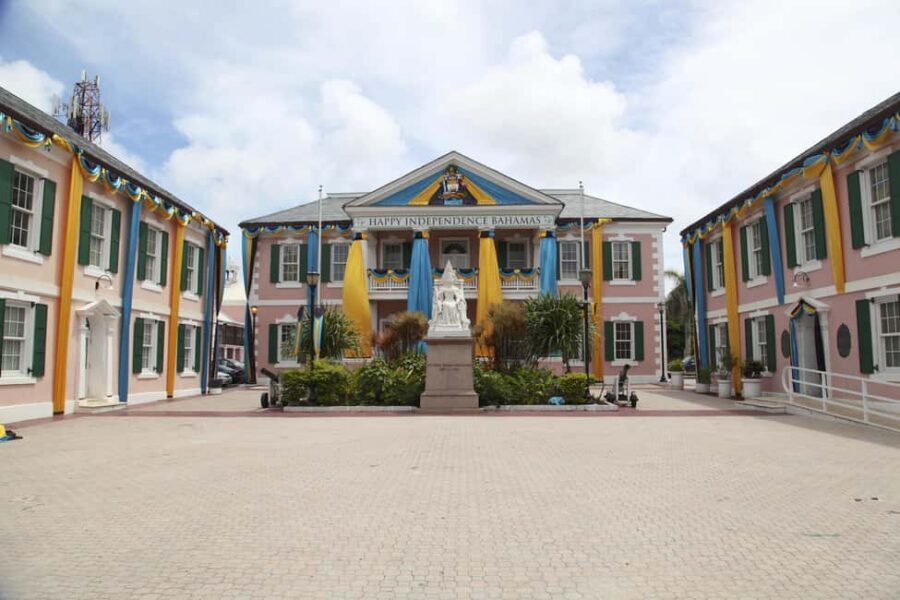
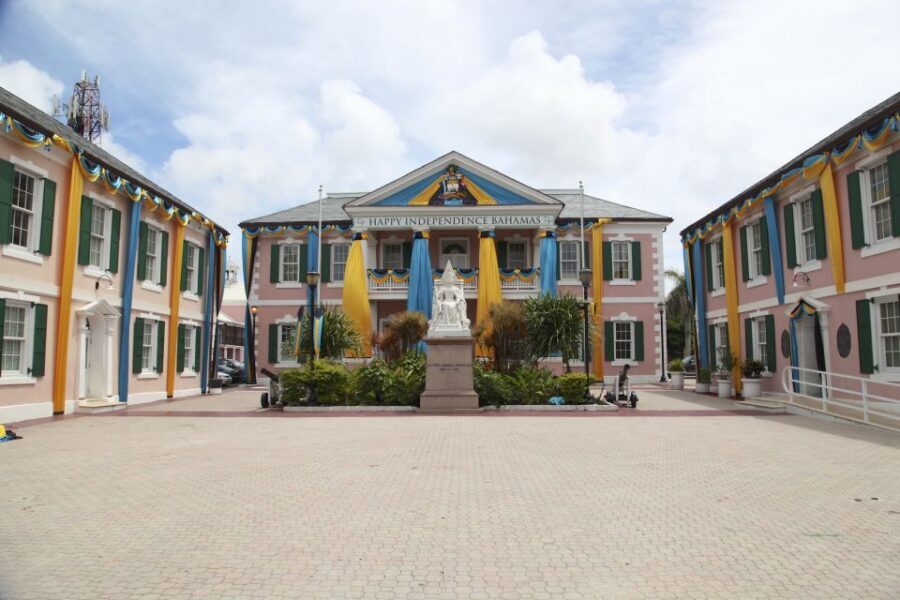
Then the tour finishes at Rawson and Parliament Square. Here you’ll learn about the history of buildings and statues from the colonial era up to the present day.
This ending is smart. You’ve spent hours learning the why behind the city’s major landmarks, and then you wrap with a central public space where the story becomes visible in streets, monuments, and daily life.
If you still have energy, this is also a good area to extend your walking on your own—using your guide’s context to make sense of what you see next.
Who should book this downtown Nassau walk
This tour is best for you if you want a compact itinerary with meaningful context, and you don’t mind walking uphill. It’s ideal for first-time visitors who want the strongest downtown highlights without booking multiple separate tours.
It also makes sense if you care about stories that connect multiple eras—piracy and colonial influence, and then the present-day culture expressed through art and celebration. The mix of fort, architecture, museums, and taste stops helps you see Nassau as more than one theme.
One caution: it’s not suitable for people with mobility impairments, and the route includes stairs (including the 66-step Queen’s Staircase). If that’s a concern, you’ll want a more level, low-step alternative.
The heat can also be real, so aim for early in your day if your cruise schedule allows. Bring water (you’ll get bottled water from the tour) and wear shoes with grip.
Should you book this Nassau cultural walking tour?
Yes, I’d book it if your goal is to leave Nassau with real understanding, not just pictures of a few famous sites. For $55 over 3 hours, the value comes from the combination of guided interpretation, headsets, museum entry, and multiple cultural stops—including art, Junkanoo education, and tastings.
Book it especially if you enjoy a guide like Charles, who’s repeatedly praised for storytelling, humor, and keeping a steady pace with time for questions and photos. The tour style sounds friendly and practical, and the route gives you several “aha” moments rather than one long climb with no payoff.
Skip it if you need minimal walking, stair-free movement, or a slow, mostly flat stroll. This one is a real downtown walk—great for active visitors, harder for anyone who can’t handle elevation.
FAQ
How long is the Nassau cultural walking tour?
The tour lasts 3 hours.
What does it cost?
It costs $55 per person.
Where does the tour meet?
It departs from the activity provider’s office at the intersection of Bay St. and East St.
If I’m on a cruise, how far is the meeting point from the port?
The meeting point is about a 3-minute walk from the port.
What’s included in the price?
Included are audio headsets, bottled water, and museum entrance fees.
Is food included?
No. Food and drinks are not included, though the itinerary includes stops where you can sample items.
What are the main stops and attractions?
You’ll visit or stop at Queen’s Staircase, the Water Tower, Fort Fincastle, the Government House exterior, Graycliff Chocolatier, the National Art Gallery of The Bahamas, Educulture Museum, John Watling’s Distillery, Tasty Teas, the Nassau Straw Market, and Rawson and Parliament Square.
Does the tour run in rain?
Yes. It runs rain or shine, unless the guide considers conditions unsafe and cancels.
Is the National Art Gallery open every day?
No. It’s closed on Mondays and national holidays, and the tour replaces it with another cultural point of interest.
What languages are offered?
The tour guide is English, and English audio is included.
Is hotel pickup provided?
No, hotel pickup is not included.