REVIEW · NASSAU
Bahamas Deep Sea Fishing
Book on Viator →Operated by Mutton Fish Tours · Bookable on Viator
Seeing fish before they bite changes everything. This Nassau deep sea fishing trip is built around crystal-clear water where you may spot fish before you’re fighting a line, plus two practical fishing styles—bottom fishing and reef/slow-trolling—that target different species. The main catch: if you’re chasing nonstop action, plan to be flexible, because weather and how the captain works the grounds control the pace.
I like that the experience keeps things straightforward: fishing gear, life jackets, and drinks are handled, and you stay on a private outing sized for up to 8 people. I also like the seasonal variety—October–February includes wahoo trolling, and August shifts toward tuna, with catch-and-release blue marlin possible.
One possible drawback to consider: snacks, lunch, and brunch are not included, so you’ll want to plan ahead if you don’t want to sit hungry for 4 hours at sea.
In This Review
- Key Highlights You Can Plan Around
- What You’re Really Buying: 4 Hours of Nassau Deep-Sea Fishing
- From Nassau to Deep Blue Waters: How the Day Typically Feels
- Bottom Fishing in the Bahamas: Why Anchoring Changes the Odds
- Reef Fishing and Slow Trolling: Getting Around the Fish That Move
- Seasonal Targets: Wahoo Trolling in Oct–Feb, Tuna and Marlin in August
- October to February: Wahoo on the Continental Shelf
- August: Blackfin and Yellowfin Tuna, Skipjacks, and Blue Marlin (Catch-and-Release)
- What’s Included (and What Isn’t) on the Boat
- The “Captain Asked” Food Surprise to Watch For
- Pickup and Mobile Ticket: Easy Arrival, Less Time Waiting
- Private Tour Up to 8: Value Depends on How Your Group Books
- Weather Matters More Than You Think
- Who Should Book, and Who Might Want to Think Twice
- Think twice if:
- Should You Book Bahamas Deep Sea Fishing with Mutton Fish Tours?
- FAQ
- Where does the Bahamas Deep Sea Fishing trip take place?
- How long is the fishing tour?
- Is this a private tour or shared with other people?
- What’s included in the price?
- Are snacks or meals included?
- What fish can you catch while bottom fishing?
- What fish can you catch with reef fishing and slow trolling?
- What are the seasonal targets in August?
- What are the seasonal targets from October to February?
Key Highlights You Can Plan Around
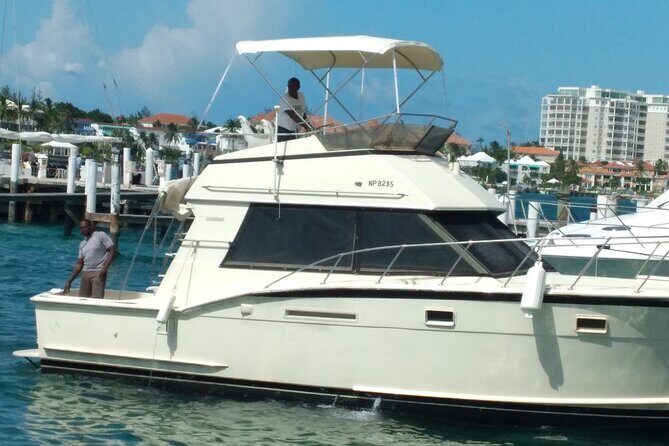
- Fish-spotting first, then anchoring or trolling for a more visual day on the water
- Two main methods: bottom fishing and reef fishing via slow trolling
- Seasonal targets that actually change month to month
- Wahoo trolling in Oct–Feb along the continental shelf at about 10–11 knots
- On-board basics included: gear, drinks, water, life jackets, and WiFi
- Private tour for up to 8 with pickup available in Nassau
What You’re Really Buying: 4 Hours of Nassau Deep-Sea Fishing
For $1,500 per group (up to 8), you’re not just paying for time on the water—you’re paying for a guided approach to catching fish in real Bahamas conditions. A lot of “fishing tours” feel like a generic boat ride with a few minutes of lines in the water. This one is built around fishing methods that match the kind of fish you want: you anchor for bottom fishing, then shift to reef fishing by trolling slowly.
That matters because fish don’t all live in the same zone. Bottom species tend to respond when you’re positioned and anchored over structure. Reef and near-reef fish often make more sense when you’re moving slowly along the right water. By covering both, you give yourself more chances for variety in the day, even if the fish mood changes.
If you’re doing the math, the price comes out to about $187.50 per person when you fill the whole group. That can be good value for private time, especially since gear and life jackets are included. If you book for fewer than 8, it’s still a private experience, but the per-person value drops. You’ll want to decide whether you’d rather pay more for privacy or go bigger on affordability with a larger shared boat—this is definitely the privacy route.
A few more Nassau tours and experiences worth a look
From Nassau to Deep Blue Waters: How the Day Typically Feels
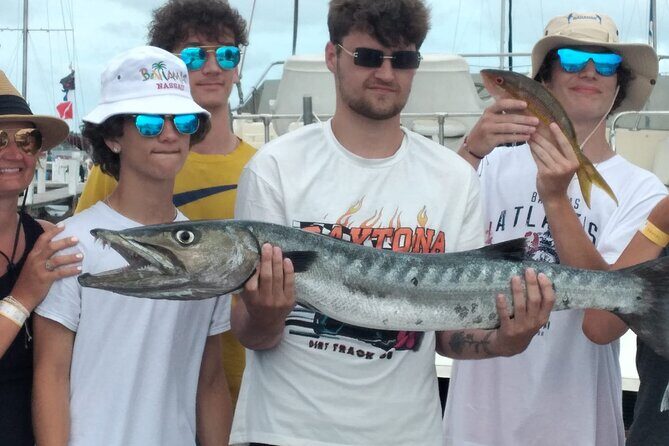
You start in Nassau, and then you head out to fish in deep blue waters. The trip is about 4 hours, so the schedule is tight enough that you’ll feel the day as one continuous session—no long land transfers, no half-day lost to sightseeing.
Once you’re offshore, the experience is mostly about two things: positioning and patience. Even when the water looks calm, fishing takes time. If you’re the type who loves the moment the rod bends, you’ll still get that thrill—but you’ll also spend stretches waiting for the right bite window.
One small comfort win: WiFi is on board, so if you need to check messages or just keep yourself entertained between casts, you’re not totally cut off.
Practical tip: bring a realistic mindset. This trip is about catching and seeing fish behavior, not about guaranteeing a specific number of hookups in exactly the same way every trip goes.
Bottom Fishing in the Bahamas: Why Anchoring Changes the Odds
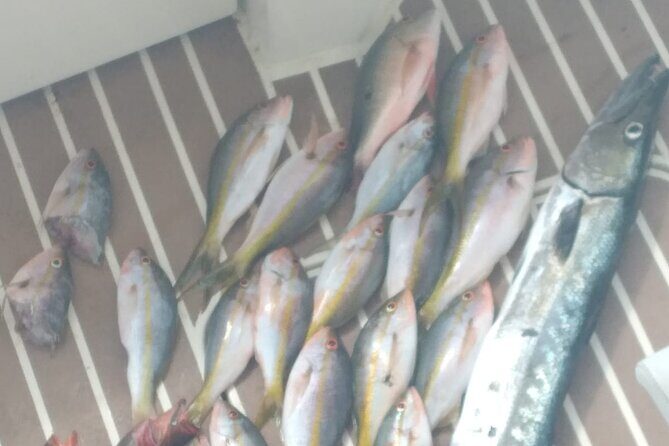
Bottom fishing is where you anchor and fish for species like grunts, strawberry grouper, sheep head porgy, and barracudas. This part of the outing is valuable because it’s a different fishing experience than trolling: you’re stationary long enough for fish to show interest, and you can work the water methodically.
What I like about this method for a first-time offshore angler is that it’s easier to read the day. When you’re anchored, you can pay attention to how the line behaves and whether you’re getting consistent activity. You also get a calmer feel on the boat, since you’re not constantly shifting speed and direction.
There’s also a psychological bonus: you often get to watch the water. The overview highlights that crystal-clear Bahamas waters give you the chance to see fish before they’re caught. That alone can turn “waiting for bites” into a more engaging experience, because you’re not staring at an empty spot of water—you might actually see movement.
Consideration: bottom fishing can be sensitive to weather and water clarity. If the conditions aren’t right, the fishing can slow down. That’s why good-weather requirements matter.
Reef Fishing and Slow Trolling: Getting Around the Fish That Move
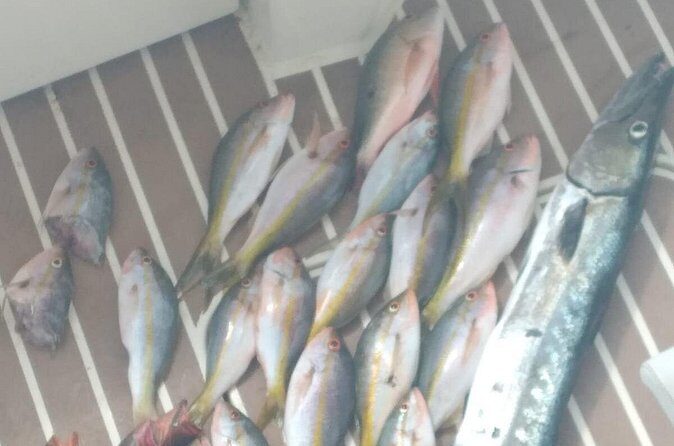
Then comes reef fishing, described as slow trolling around the reef. This is where you’re moving steadily enough to cover water, but not so fast that fish lose interest. Target species here include yellowtail snappers, mutton snappers, Spanish mackerel, kingfish, and barracudas.
This is a great match if you like variety in tactics. Bottom fishing asks you to hold a position. Reef trolling asks you to cover ground and keep your presentation in the strike zone as you pass likely structure.
It also ties into the “seeing fish” angle. As you move, you may notice changes in the water—more action, different schools, and sometimes quick bursts of activity. Even if you don’t hook up every time, the day stays visually active when conditions cooperate.
Practical tip: keep your rod ready and pay attention to instructions when you’re transitioning between methods. When the captain changes where you’re fishing, it’s usually because the fish or water conditions changed.
Seasonal Targets: Wahoo Trolling in Oct–Feb, Tuna and Marlin in August
This tour isn’t one-size-fits-all. The fishing strategy shifts by month, and you should book with that in mind.



October to February: Wahoo on the Continental Shelf
During October, the trip trolls the continental shelf for wahoo at about 10–11 knots. The key detail here is the speed—trolling speed matters for wahoo behavior. If you’re traveling in this window, you’re not just hoping for wahoo; you’re fishing with the right kind of motion for it.
Wahoo are known for being a “come on, bite now” kind of fish. That can make this period exciting for anglers who like a more aggressive, fast-moving target.
August: Blackfin and Yellowfin Tuna, Skipjacks, and Blue Marlin (Catch-and-Release)
During August, the trip focuses on blackfin tuna, yellowfin tuna, and skipjacks. That’s a strong mix because tuna feed differently than many bottom species, and trolling plus the right fishing conditions can create more frequent chances.
August also includes the possibility of catch-and-release blue marlin. Catch-and-release is a big deal for the long-term health of the fishery, and it also changes how you think about success: you might spend time in a very “serious” fight, but you’re aiming to release the fish rather than take a meal home.
Important booking note: because the targets change with season, the “best” month depends on what kind of fishing you want—bottom structure fishing, reef trolling, or the faster trolling game aimed at tuna or wahoo.
What’s Included (and What Isn’t) on the Boat
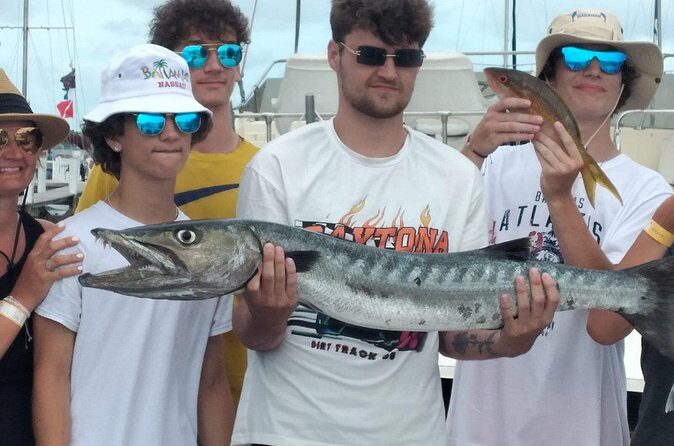
Here’s the included list, and it’s honestly pretty practical for a 4-hour charter:
- Fishing gear
- Coffee and/or tea
- Soda/pop
- Bottled water
- Life jackets
- WiFi on board
What’s not included is just as important:
- Snacks
- Lunch
- Brunch
This affects how you plan your day more than people expect. If you tend to get hungry quickly, you’ll want to bring your own snacks or eat before you go. The included drinks help, but they don’t replace food for a mid-day offshore session.
Comfort tip: life jackets being provided is a plus, since you won’t need to pack one. Also, the combination of bottled water plus coffee/tea/soda means you won’t spend part of the trip hunting for drinks.
The “Captain Asked” Food Surprise to Watch For
One low rating pointed to a mismatch around snacks and soda expectations. The captain asked what sodas and snack preferences the group wanted, but the guest felt the options weren’t handled the way they expected. I can’t confirm what happened in that case—but it’s a good reminder to clarify expectations when you meet the captain. If food choices matter to you, ask directly what will be available onboard.
Pickup and Mobile Ticket: Easy Arrival, Less Time Waiting
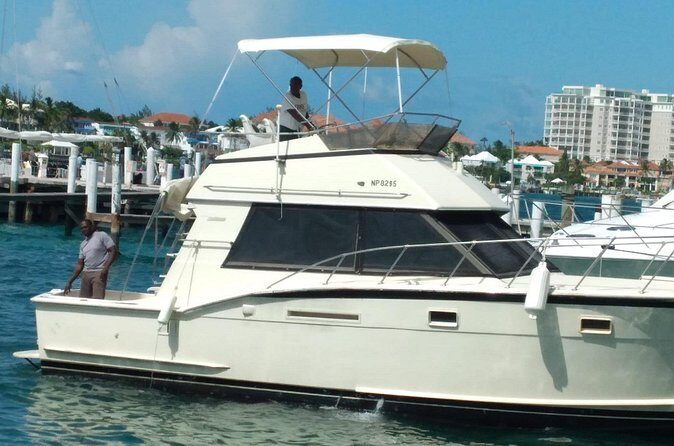
Pickup is offered, and you’ll receive a mobile ticket. In real-world Nassau terms, that’s helpful: it reduces the “where do I stand and when does it start” stress.
Because the outing is only 4 hours, shaving off logistical time makes the fishing part feel more meaningful. You won’t waste the whole day organizing transportation and figuring out the meeting point.
One more small perk: confirmation is received at the time of booking. That gives you the confidence to plan around it rather than waiting for last-minute details.
Private Tour Up to 8: Value Depends on How Your Group Books
This is a private tour/activity, meaning only your group participates. That matters for two reasons.
First, it gives you more control over the pace and comfort onboard. Second, it can be easier to work with if you have mixed experience levels, since your captain can focus on your group rather than rotating between multiple parties.
Now the value question. At $1,500 per group up to 8, you get the best price per person when the group fills up. If you’re booking as a small group, you’re paying more per angler for privacy. For some people, that’s the point. If your ideal day includes quiet focus and less waiting for turn-based instruction, private often feels worth it.
Who this fits best:
- Groups of friends or families who want a real charter feel
- Anglers who want consistent attention from the crew
- People who value a “get out there and fish” schedule over sightseeing
Weather Matters More Than You Think
The experience requires good weather. If it’s canceled due to poor weather, you’ll be offered a different date or a full refund.
This matters because offshore fishing is one of those activities where “close enough” conditions can still reduce opportunities. Even when boats run, rougher weather can change how comfortable and how productive the day feels.
Practical advice: if you’re booking a trip during a season that’s known for weather swings, build in flexibility and keep an open calendar. If you’re traveling on strict dates, free cancellation helps, but you still don’t want to be locked into a plan that can get moved.
Who Should Book, and Who Might Want to Think Twice
If your dream is targeted fishing—anchoring for bottom species, then trolling around reef structure—this is a solid fit. The seasonal plan for wahoo (Oct–Feb), tuna and skipjacks (August), and possible catch-and-release blue marlin gives you a sense that you’re fishing for something specific, not just casting anywhere.
You’ll especially like it if you’re the type who enjoys the water as much as the fight. The concept of crystal-clear visibility, where you might see fish before they’re caught, is the kind of detail that can turn the whole day into a more memorable story.
Think twice if:
You’re expecting a guaranteed nonstop bite every minute. A few things can slow action: conditions, fish movement, and how the captain times the methods. One of the lowest ratings also described a day that felt like more boat ride than real fishing, which is exactly the kind of mismatch you want to avoid if fishing time is your main priority.
Should You Book Bahamas Deep Sea Fishing with Mutton Fish Tours?
My practical take: book it if you want a private, fishing-forward 4-hour charter out of Nassau, and you’re open to the reality that fishing pace depends on conditions. The included gear, life jackets, and drinks make it easier to plan, and the mix of bottom fishing plus reef slow trolling is more thoughtful than a one-method tour.
Before you lock it in, do two simple checks:
- Confirm what’s actually available for snacks on board, especially if you care about preferences.
- Match your travel month to your goal fish (wahoo in Oct–Feb, tuna and skipjacks plus possible catch-and-release blue marlin in August).
If your group wants privacy, likes the idea of seeing fish in clear water, and wants a day focused on fishing methods rather than sightseeing, this is a strong choice.
FAQ
Where does the Bahamas Deep Sea Fishing trip take place?
The tour is in Nassau, Bahamas, and it leaves Nassau to fish in deep blue waters.
How long is the fishing tour?
It runs for about 4 hours.
Is this a private tour or shared with other people?
It’s private. Only your group participates, with up to 8 people per group.
What’s included in the price?
Included are fishing gear, coffee and/or tea, soda/pop, bottled water, life jackets, and WiFi on board.
Are snacks or meals included?
No. Snacks, lunch, and brunch are not included.
What fish can you catch while bottom fishing?
Bottom fishing targets species such as grunts, strawberry grouper, sheep head porgy, and barracudas.
What fish can you catch with reef fishing and slow trolling?
Reef fishing and slow trolling target yellowtail snappers, mutton snappers, Spanish mackerel, kingfish, and barracudas.
What are the seasonal targets in August?
In August, the trip fishes for blackfin tuna, yellowfin tuna, and skipjacks, and catch-and-release blue marlin is also possible.
What are the seasonal targets from October to February?
From October to February, the trip trolls the continental shelf for wahoo at around 10–11 knots.